
Seek Advice
"I have an upcoming difficult conversation with my manager. How would you approach it?"
Structured support, accountability, and collaborative space to advance your thinking and leadership practice within the Women’s Leadership Program and beyond.
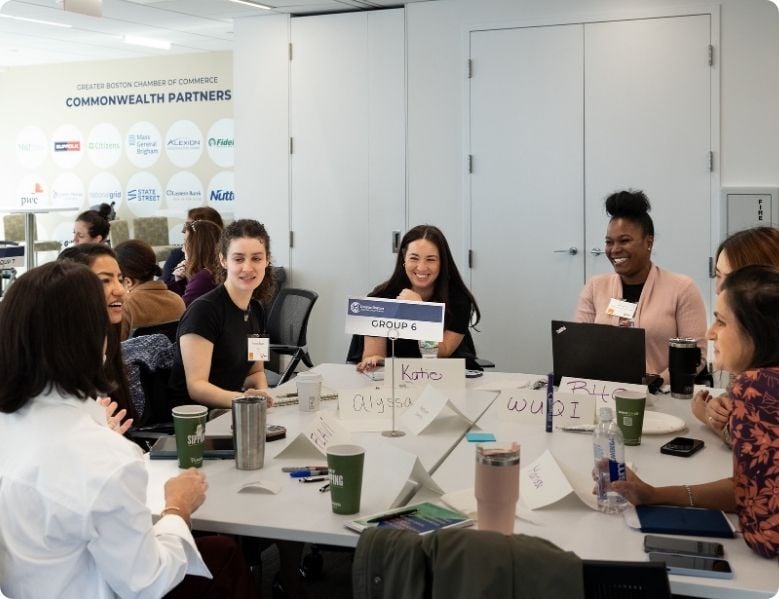
Peer Mentor Groups are small groups of WLP participants who meet throughout the program to support one another's growth, learning, and leadership development. Unlike traditional mentoring relationships, Peer Mentor Groups operate as a circle of mutual support where every participant serves as both a mentor and a learner. These groups create a trusted space to discuss challenges, share experiences, exchange ideas, and hold one another accountable for personal and professional growth.
Peer Mentor Groups are intentionally curated by the Chamber's Learning & Development team.
Groups are typically formed using information gathered through:
The goal is to create diverse groups that maximize learning by bringing together women with different perspectives, experiences, and strengths.
Whenever possible, groups are designed to include participants from different organizations, industries, generations, and career levels.
Peer Mentor Groups are self-managed. While groups are free to establish a schedule that works best for them, we recommend:
Minimum: Meet once every 4 to 6 weeks.
Ideal: Meet monthly for 60 to 90 minutes.
Additional meetings, coffee chats, virtual check-ins, or text threads are strongly encouraged as needed. Many participants find the greatest value comes from staying connected between formal program sessions.
Many groups find the following format helpful:
Some of the most valuable learning in WLP happens between sessions. Your Peer Mentor Group provides a trusted circle of women who can challenge your thinking, support your growth, and remind you that leadership does not have to be a solo journey.
The relationships built in these groups often become some of the most enduring connections participants take away from the program.
To create a productive and supportive experience, we encourage all groups to adopt the following norms or community guidelines:
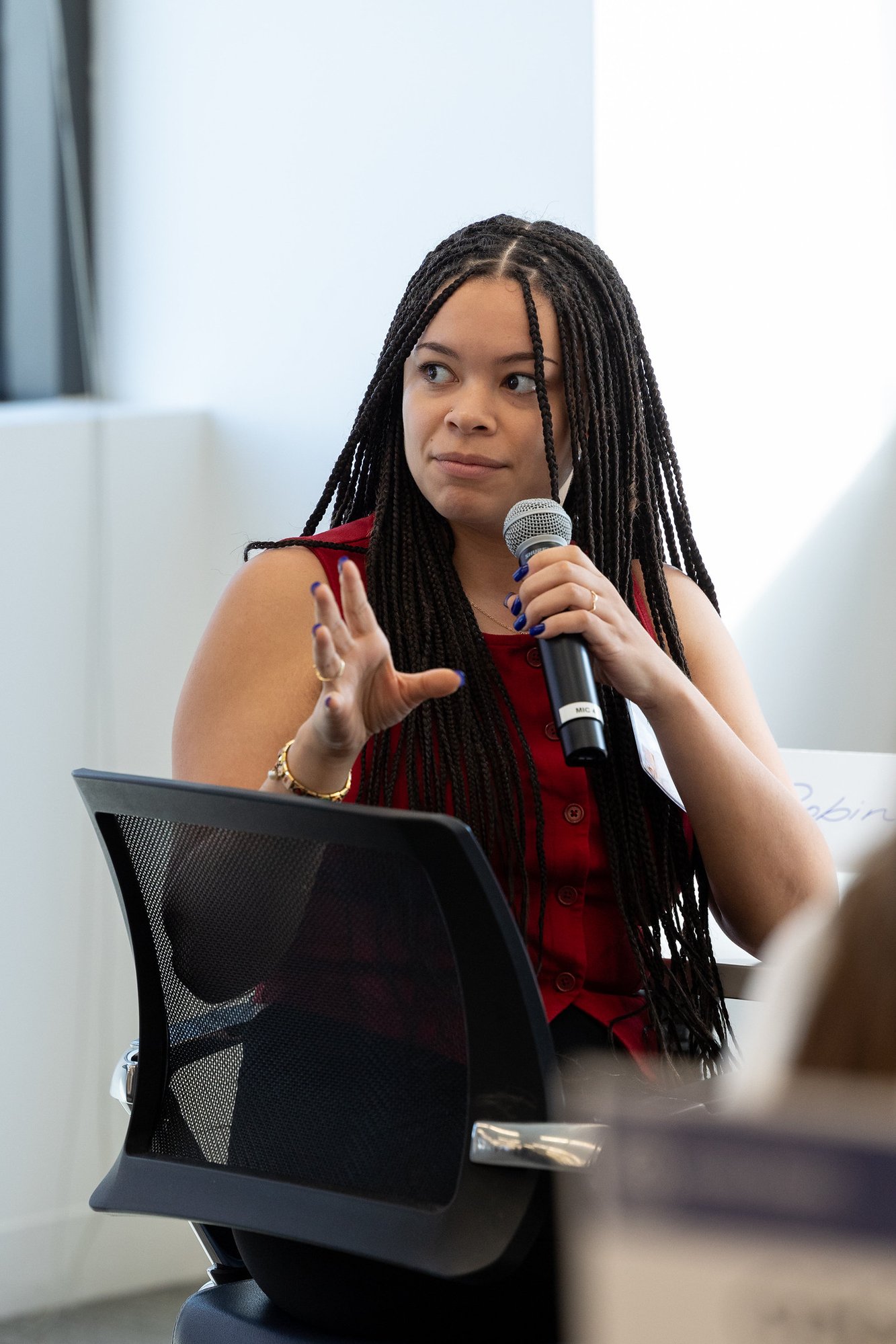
What's shared in the group stays in the group. Participants should not share personal stories, workplace challenges, or sensitive discussions outside the group without permission.
Support one another in turning insight into action. Follow up on commitments and celebrate progress along the way.
Everyone contributes. Members are expected to attend meetings when possible, come prepared, and actively participate in discussions.
Listen to understand. Ask thoughtful questions before offering advice and remain open to perspectives different from your own.
Share experiences, lessons learned, resources, and connections that may help fellow participants.
Start and end meetings on time and ensure everyone has an opportunity to contribute.
Approach conversations with openness, humility, and a willingness to learn.